
For professional fishermen and commercial fleet operators, a boat is far more than a means of transportation. It is a working asset that needs to perform consistently through long voyages, demanding weather conditions, heavy loads and repeated daily operations.
When a vessel is operating commercially, reliability directly affects productivity. A breakdown can mean lost fishing time, additional maintenance costs, delayed deliveries and reduced revenue. This is why experienced operators place significant importance on vessel construction, structural strength, payload capacity, fuel range and the reputation of the boatbuilder.
For these demanding applications, custom-built workboats and commercial fishing vessels can provide an important advantage.
A vessel designed around the specific requirements of its operation can incorporate the appropriate hull structure, deck arrangement, storage capacity, fuel capacity, crew facilities and fishing equipment from the beginning.
With more than 50 years of boatbuilding experience, Neil Marine has developed an extensive range of commercial fishing boats and multiday fishing vessels in Sri Lanka.
So, what makes a professional workboat capable of handling the demands of commercial
fishing?
Why Custom-Built Workboats Deliver Greater Operational Value
Standardization has advantages in manufacturing, but commercial operators often have highly specific requirements.
One fleet may priorities long-range fishing. Another may need greater fish-hold capacity. Another may require specialized deck equipment, additional crew accommodation or different propulsion and navigation systems.
Custom boatbuilding allows these variables to be considered during the design process.
This is particularly important for commercial fishing boat manufacturing, where the vessel’s design needs to align with the economics of the fishing operation.
The right vessel should balance:
Payload + range + durability + crew capacity + fishing efficiency + safety + maintainability.
Optimizing one factor while ignoring the others can create an inefficient commercial platform.
For example, maximising cargo capacity without considering stability or propulsion requirements can create operational compromises. Likewise, selecting a high powered engine without considering fuel consumption and hull efficiency can increase running costs.
Professional boatbuilding is therefore fundamentally about engineering the entire vessel as one integrated system.
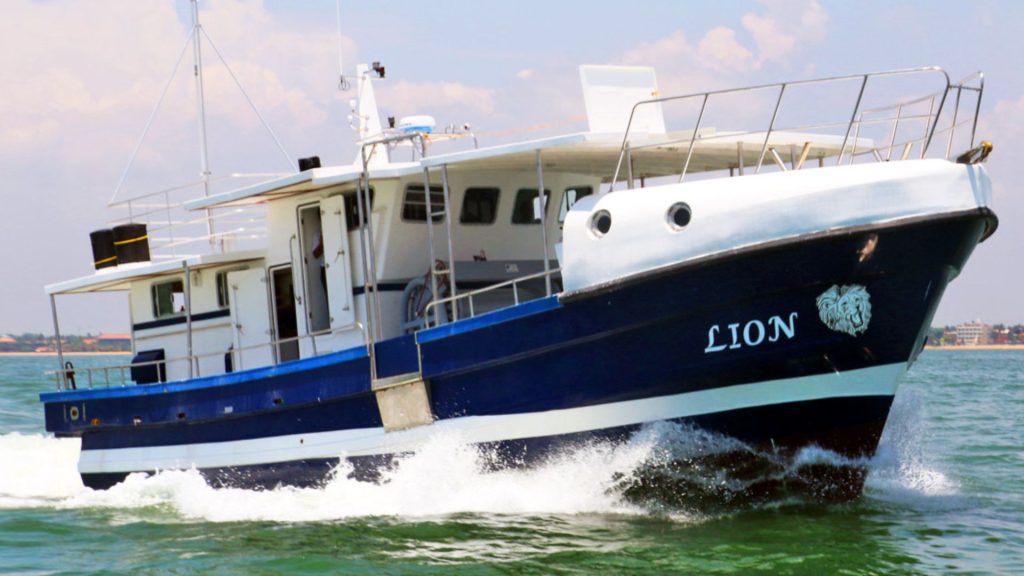
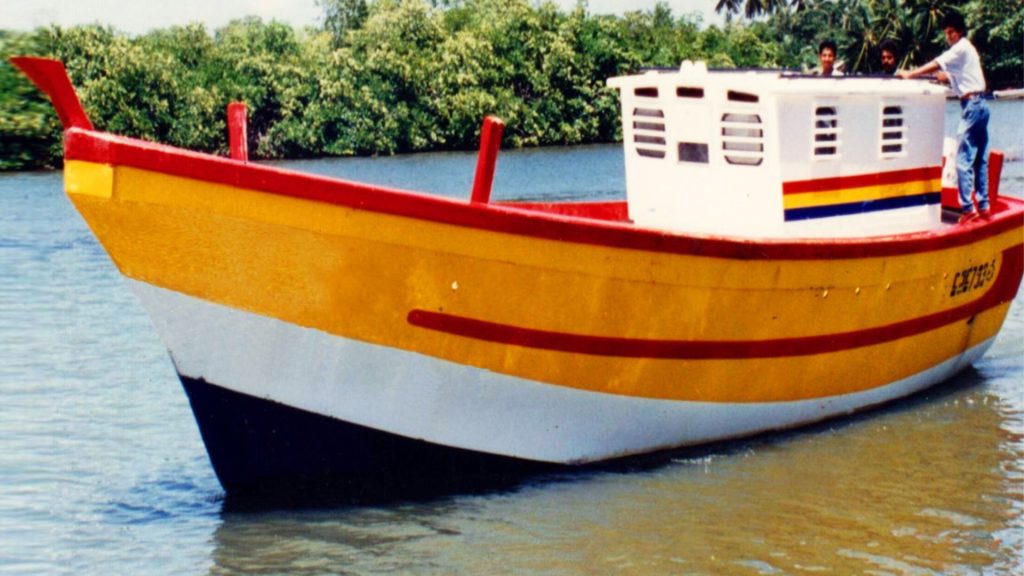
Durability Beyond the Hull
A rugged commercial boat is only as reliable as its supporting systems.
Commercial vessels operate for long periods, often far from immediate repair facilities. Equipment accessibility, electrical systems, plumbing, fuel systems, ventilation, storage and machinery spaces therefore become important considerations.
For multiday operations, onboard living arrangements also become part of the vessel’s operational design.
Wheelhouses, crew bunks, galley facilities, toilets, freshwater systems and electrical systems need to support the crew throughout extended trips.
Neil Marine’s NMDF 40 configuration, for example, includes crew bunks, a galley, toilet compartment, freshwater system and 24 volt DC electrical system alongside its fishing specific spaces.
The objective is not simply to make a boat that can go offshore.
It is to create a vessel that can work effectively offshore.
The Heritage of Trust: Neil Marine’s Five-Decade Boatbuilding Legacy
In commercial maritime operations, reputation is built over time.
A boatbuilder can produce an impressive prototype, but commercial fleets need something more difficult to establish: a proven history of delivering vessels that perform in real world conditions.
This is where Neil Marine’s heritage becomes particularly relevant.
Founded in 1969, Neil Marine has more than 50 years of experience in fiberglass boatbuilding and has delivered over 40,000 vessels to customers around the world. That experience provides an important foundation for today’s commercial and fishing vessel
designs.
Engineering Reliability Becomes Commercial Reliability
The true value of a commercial fishing vessel is ultimately measured by its ability to perform its job.
A vessel that is structurally robust, appropriately powered, efficiently laid out and engineered for its intended fishing method can become a dependable asset for years of operation. This is why professional fishermen and commercial fleets look beyond the appearance of a boat.
They consider questions such as:
● How much can the vessel safely carry?
● How far can it travel between refuelling?
● How effectively can the deck support fishing operations?
● How is the hull reinforced?
● What materials are used?
● Can the vessel support a crew for extended periods?
● How easily can critical systems be accessed and maintained?
● Does the builder have a proven commercial track record?
● Are recognised marine standards incorporated into construction?
Every unnecessary repair, unscheduled return to port or inefficient fishing trip can affect operational profitability.
A reliable vessel helps minimize those risks.
Choosing a Commercial Fishing Boat Builder
For a fisheries enterprise or commercial fleet, choosing a boatbuilder is a long term investment decision.
The lowest initial price does not necessarily represent the lowest cost of ownership. A more meaningful evaluation considers construction quality, vessel suitability, payload, range, durability, maintenance requirements, operational efficiency and builder experience.
A proven builder should be able to demonstrate:
1. Experience in commercial vessel construction
2. Knowledge of fishing operations
3. Strong GRP and composite manufacturing capabilities
4. Custom design and configuration expertise
5. Appropriate international standards and approvals
6. A proven track record of delivered vessels
7. The ability to support different operating environments and fishing methods
Neil Marine’s combination of more decades of boatbuilding experience, a global delivery record exceeding 40,000 vessels and an established commercial fishing portfolio positions it strongly within this sector.